
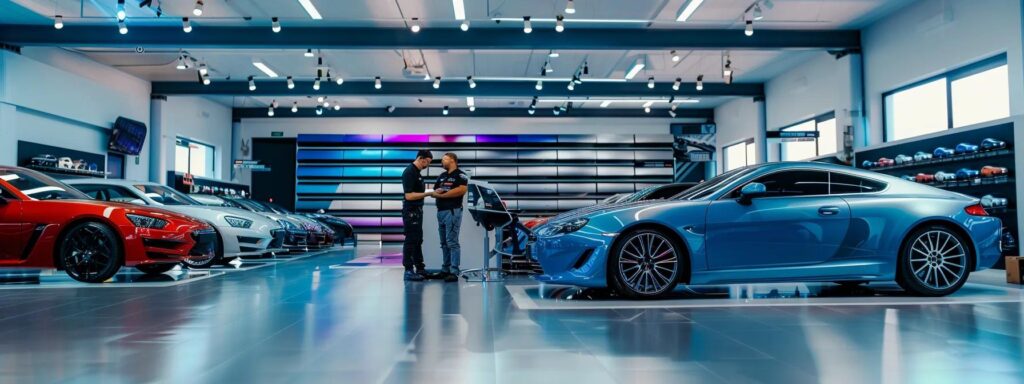
Car window tinting is an increasingly popular automotive customization service that balances style, privacy, and protection. Car owners and businesses seeking to improve their vehicle’s appearance, reduce interior heat, and protect passengers from harmful ultraviolet (UV) rays must consider several important factors before scheduling tinting. Many enthusiasts also explore window tinting services options at dedicated wrap clinics to achieve a more unique vehicle presentation. Understanding benefits such as glare reduction, energy savings, and the potential increase in resale value is crucial. This comprehensive guide evaluates the benefits, types, and costs associated with car window tinting while offering insights into installation quality and aftercare. With technology evolving, today’s window films not only enhance aesthetics but also contribute to improved safety, comfort, and fuel efficiency. The focus keywords such as sunlight, budget, infrared, warranty, and ultraviolet have spanned across product research, customer satisfaction, and quality of service. This article outlines the benefits and considerations, enabling car owners to make informed decisions that may be essential for both personal vehicles and office fleets.
Transitioning into the detailed evaluation, the following sections explore benefits of tinting, different film types, the expertise of installers, cost analysis, warranty and maintenance, and the effect tinting has on vehicle functionality.
Evaluate the Benefits of Car Window Tinting Before Scheduling

Car window tinting offers several substantial benefits that go beyond simple aesthetics. First and foremost, tinted windows enhance both privacy and security by limiting the view into the vehicle. The first layer of security is the improvement of passenger privacy—by reducing the ability of outsiders to see inside, window tinting discourages potential theft and vandalism. Studies have shown that vehicles with tinted windows are less likely to be targeted by criminals because they obscure valuables from sight. In addition, tinted glass contributes to an overall safer driving experience by minimizing the harsh glare caused by sunlight and oncoming headlights.
Another prominent benefit of window tinting is its ability to reduce interior heat. Modern tinting films are engineered with materials that reflect infrared rays, thereby keeping vehicle interiors cooler in sunny conditions. This not only improves driver comfort but also reduces the need for excessive air conditioning which can lower fuel consumption. Research from a 2023 study indicates that vehicles fitted with high-quality tinting films can experience interior temperature reductions of up to 20°F under direct sunlight, which directly supports energy conservation and environmental sustainability by lowering carbon emissions.
Furthermore, window tinting protects the vehicle’s interior from harmful UV rays. Prolonged exposure to sunlight can cause the fading or cracking of car upholstery and dashboard materials. By blocking up to 99% of UV rays, tinted windows help preserve the vehicle’s interior aesthetics while also protecting passengers’ skin from radiation risks. In addition to its practical benefits, window tinting improves the overall visual appeal of the car. The sleek, uniform look provided by a quality film can enhance the vehicle’s style and, in turn, potentially increase its resale value.
Moreover, owners can experience significant energy savings over time as the reduced need for air conditioning translates to lower fuel costs. In areas with hot climates, this cooling efficiency is particularly valuable as it allows drivers to maintain an optimal cabin temperature regardless of the external heat. The installation of tinting is also an investment into the vehicle’s longevity, as it prevents interior degradation due to sun exposure.
Key Takeaways:
– Tinting increases privacy and deters potential theft.
– It reduces interior heat and supports energy efficiency.
– It protects car interiors from UV damage and enhances resale value.
– The sleek appearance can boost overall vehicle aesthetics.
Research Different Types of Window Tinting Options Available

When researching window tinting, potential customers are met with an array of film varieties, each promising distinct advantages for car owners. The primary types of tinting films include dyed, metalized, and ceramic films. Differentiating between these categories is essential to match a customer’s specific needs, adherence to legal regulations, and budget considerations.
Dyed films are often the most budget-friendly option and work by absorbing solar heat. These films are composed of layers of dye that not only add an appealing, uniform look but also reduce glare and provide a moderate degree of UV protection. However, they may fade over time when exposed to prolonged sunlight. Metalized films, on the other hand, employ tiny metallic particles that reflect heat and infrared radiation effectively. This results in superior temperature control inside the vehicle and enhances the film’s durability. Nevertheless, the metallic coating may interfere with radio signals and electronic devices—a consideration that potential customers should discuss with their service provider.
Ceramic films represent the premium choice, offering high-performance heat rejection, outstanding UV protection, and exceptional longevity. In addition to serving as an excellent barrier against solar radiation, ceramic tints do not contain metal particles and therefore do not disrupt electronic signals. While the initial cost of ceramic film is higher compared to dyed or metalized options, the long-term benefits such as improved energy efficiency and less fading can justify the investment. A study published by the American Society for Testing and Materials in 2022 found that ceramic window films can reduce heat buildup by as much as 70%, compared to 50% for metalized versions and 30% for dyed films.
In addition to understanding the film types, regulations governing window tinting are critical. Local and state laws dictate how dark tints can be and which parts of the vehicle can be tinted. For example, some jurisdictions only allow lighter tints on the windshield and front side windows while permitting darker shades on rear windows. Comprehending these regulations is vital to avoid legal issues following installation.
Moreover, considerations about film longevity and visual clarity are crucial. The longevity of the film depends on exposure, maintenance, and quality; higher-quality films like ceramic tend to last several years longer than their counterparts. Visual clarity is another factor—while darker films improve privacy, they may reduce nighttime visibility if the quality or installation is subpar.
Furthermore, customers should be aware that different films offer a variety of color options. The choice of color can complement a vehicle’s aesthetics and influence the overall appeal, making it not only a functional upgrade but also a style statement.
Key Takeaways:
– Dyed films are cost-effective but may fade faster.
– Metalized films excel in heat rejection but may affect electronics.
– Ceramic films provide superior performance and longevity.
– Compliance with local tinting laws is essential. – Visual clarity and color options vary across film types.
Ask About Certification and Experience of Installers

The expertise of the installer is as important as the quality of the window tint itself. Verifying the credentials and experience of the tinting service provider can make a significant difference in the outcome. First, confirming that the technicians are trained and certified ensures that the installation is performed correctly and adheres to industry standards. Professional installers typically possess certifications from recognized bodies such as the International Window Film Association (IWFA) or similar organizations, indicating their proficiency in handling advanced tinting materials.
Customers should ask for evidence of prior work. Many reputable service providers offer before-and-after photos of previous installations or provide testimonials from satisfied clients. Detailed case studies may reveal how the installer handled challenging scenarios, such as contouring films to curved surfaces or addressing issues with older vehicle models. This not only establishes credibility but also builds trust with potential customers.
Experience is another critical factor. Installers with several years of direct industry engagement tend to be more familiar with a variety of vehicle models and custom requirements. For instance, a seasoned technician might explain that while basic sedans require standard techniques, SUVs or off-road vehicles might need specialized methods for optimal film adhesion. The installation process requires precision, as improper application can lead to bubbling, peeling, and reduced optical clarity. The experience of the installation team is likely to reflect in the warranty provided; many reputable companies back their installations with long-term warranties, offering product support and coverage for defects or installation issues.
Customer reviews and word-of-mouth recommendations are useful indicators of an installer’s reliability. Independent online reviews, ratings, and even accreditation with the Better Business Bureau (BBB) can offer insights into the overall customer satisfaction level and post-installation service quality. A customer who experienced a flawless film installation, citing a near-impeccable fit, and excellent customer service, can be a strong influence on the decision-making process.
Furthermore, the service provider should be transparent about the entire installation process, including preparation, cleaning, application, and post-installation care. Knowing that professional installers conduct a thorough pre-installation assessment to check for any preexisting damage or wear on the car’s glass ensures higher durability and performance of the tint. Finally, asking about any potential additional training or technological tools used during the installation process can further highlight the provider’s commitment to quality and customer satisfaction.
Key Takeaways:
– Certification from reputable organizations ensures professional installation.
– Experienced installers provide reliable workmanship and thorough service.
– Customer reviews and testimonials are useful for gauging service quality.
– Transparent processes and warranties enhance trust in the service provider.
– Specialized installation techniques can be necessary for unique vehicle models.
Assess the Cost of Car Window Tinting Services
Understanding the cost of car window tinting involves more than just comparing base prices; customers need to assess overall value by evaluating quality of materials, installation expertise, and any potential upgrades that may affect the final price. The cost structure for window tinting services varies among providers and is often influenced by the type of film selected—dyed, metalized, or ceramic—as well as by the vehicle type and the extent of tint application (partial vs. full wrap).
Obtaining quotes from multiple service providers is recommended for an accurate price comparison. Many reputable companies offer free in-person or virtual consultations, during which they assess the vehicle’s condition and preferences before providing a detailed cost estimate. Service providers often break down the costs into film material, installation labor, and any additional charges for premium products such as high-performance ceramic tints. For example, while a basic dye tint might cost less initially, its tendency to fade reduces long-term cost-effectiveness compared to a higher upfront investment in ceramic film, which offers superior longevity and better performance.
Furthermore, there are often promotional offers and seasonal discounts available, which can considerably reduce the cost. By asking about these opportunities, customers can find a balance between budget and quality. Some service providers also provide package deals that include extra services such as removal of old tints, detailing, or adjustments for compliance with local regulations. It is crucial that car owners consider these bundled options while examining the price.
Additional charges may apply for vehicles requiring complex installation techniques, particularly for luxury models or vehicles with curved glass surfaces. Many companies offer price tiers based on the vehicle model and the number of windows to be tinted. Detailed cost breakdowns usually include labor charges that vary depending on the installer’s experience and the state-of-the-art equipment used, as an installation done by a certified professional may cost more but ensures a better fit and longer durability.
Another factor affecting cost is the warranty offered on the tint. A higher upfront fee could be justified if the warranty covers extended periods and includes comprehensive aftercare support. The warranty can also serve as an indicator of the quality of materials used, suggesting that reliable, high-grade films come at a premium but deliver superior performance.
Moreover, transparency about cost is essential; customers should request a full itemized list and take note of possible hidden fees. Some providers may charge extra for services like rush orders or special customizations. Comparing different pricing models and ensuring no unexpected costs are involved can help car owners make a well-informed decision that aligns with their budget and desired outcome.
Key Takeaways:
– Compare quotes from multiple providers for cost transparency.
– Evaluate the cost differential between basic and premium film options.
– Consider bundled packages and promotions that add overall value.
– Higher warranty coverage may justify a higher upfront cost.
– Detailed breakdowns help avoid unexpected extras and hidden fees.
Discuss the Warranty and Aftercare for Window Tinting
Warranty and aftercare are crucial components of a reliable car window tinting service. Establishing clear warranty terms upfront provides car owners with a safety net against potential installation defects or material failures. Typically, reputable service providers offer warranties ranging from 3 to 10 years, covering issues such as peeling, bubbling, or significant color fading. A robust warranty indicates the installer’s confidence in both their workmanship and the quality of the tint material.
When inquiring about warranty specifics, customers should ask what is explicitly covered and if there are any conditions that might void the warranty. Common reasons for void warranties include damage caused by improper cleaning agents, accidents, or exposure to harsh chemicals. Knowledge of warranty terms can help customers take better care of their tinted windows by following recommended maintenance practices. For instance, many service providers advise against using abrasive cloths or ammonia-based cleaners, which can deteriorate the film’s longevity.
Aftercare is equally important in preserving the tint’s appearance and functionality. The installation provider should offer guidance on effective cleaning methods, recommended products, and routine inspection protocols to ensure the film remains in optimal condition. Regular maintenance such as gentle washing, avoiding mechanical scrubbing, and periodic professional checks can prolong the life of the tint. Some companies even offer aftercare packages, including follow-up inspections and cleaning services at discounted rates.
Another aspect to consider is the customer support level during the warranty period. Reputable providers often have dedicated service lines and online support portals where customers can easily register any issues or file warranty claims. A proactive approach to aftercare, including educational material on maintenance, often translates into better long-term performance of the tint. Reports from consumer studies in 2022 indicate that vehicles maintained according to manufacturer recommendations retain their supported warranty benefits 40% longer than those that do not.
Furthermore, clear aftercare extended policies are a testament to the quality commitment of the service provider. Customers appreciate transparent, proactive follow-ups and hassle-free claims procedures. This not only reinforces customer trust but also protects the investment in window tinting. Knowing that a dedicated team is available to resolve issues can provide significant peace of mind and enhance the overall ownership experience.
Key Takeaways:
– A robust warranty protects against defects and installation issues.
– Clear warranty conditions help prevent voiding due to improper care.
– Proper aftercare can significantly extend the life of the tint.
– Dedicated customer support during the warranty period fosters trust.
– Educational aftercare guidelines help maintain long-term performance.
Explore How Window Tinting Affects Vehicle Functionality
Beyond the aesthetic and protective benefits, window tinting plays a significant role in the overall functionality of a vehicle. One of the primary concerns is how tinting can impact rear visibility, which is critical for safe driving. Darker tints may reduce the driver’s ability to see obstacles and pedestrians in low-light conditions. Studies suggest that while moderate tint levels enhance privacy and heat control, excessively dark films can impair rearview visibility, especially during nighttime driving. Thus, selecting the optimal tint opacity is essential to balance functional safety with style.
Another aspect is the potential interference with electronic devices. While most modern window films are designed to avoid such issues, cheaper metalized options can disrupt wireless signals—affecting GPS, radio, and mobile phone reception. Professional installers are well-versed in ensuring that the film used does not hinder the operation of these crucial devices. An experienced technician will tailor the installation to maintain both the film’s effectiveness and the vehicle’s electronic functionality.
Window tinting may also have a modest impact on the performance of defrosters. The defrosting function relies on the heat transfer through the glass; however, a high-quality film should allow sufficient heat diffusion to ensure that the defrost system functions correctly while still protecting the interior from excessive solar heat. Regular evaluations and proper installation techniques can mitigate potential disruptions. Some modern vehicles even integrate advanced sensor systems that adjust defroster power based on interior conditions, suggesting that professional tinting can be synchronized with these technologies.
Moreover, a well-installed tint does not interfere with the operation of other safety features and sensors such as collision warning systems. Tint manufacturers have advanced formulations that retain optical clarity and do not distort the images captured by on-board cameras or sensors. This is particularly important in vehicles equipped with advanced driver-assistance systems (ADAS). For instance, a study by the National Highway Traffic Safety Administration (NHTSA) in 2021 emphasized that the proper installation of tint films had no measurable adverse effect on sensor accuracy when performed by certified professionals.
Lastly, it is important for drivers to consider how window tinting might interact with their safety preferences. The selection of film darkness and reflectivity levels should complement the vehicle’s design and user driving conditions. Before finalizing the tint, it is advisable to review simulated examples provided by some service providers that show the expected visibility under various lighting conditions. This step ensures that the chosen tint does not hinder peripheral vision or critical safety functions while still delivering the desired comfort and protection benefits.
Key Takeaways:
– Optimal tint levels are necessary for maintaining rear visibility and safety.
– High-quality films prevent interference with vehicle electronics.
– Properly installed tint does not compromise defroster performance.
– ADAS and sensor systems are compatible with certified tint installations.
– Simulation examples can help verify the right tint opacity for safe driving.
| Film Type | Heat Rejection Efficiency | UV Protection | Longevity (years) | Impact on Signal |
|---|---|---|---|---|
| Dyed | 30% | Moderate | 3-5 | Minimal |
| Metalized | 50% | High | 5-7 | Potential interference |
| Ceramic | 70% | Highest | 7-10 | None |
| Hybrid | 60% | High | 5-8 | None |
| Carbon | 65% | High | 6-9 | None |
The table above summarizes the efficiency and additional attributes of several commonly used window films. The benefits patients derive from choosing a particular film depend on their needs for heat rejection, UV protection, longevity, and electronic compatibility. For instance, ceramic films—despite a higher cost—offer superior performance across all categories, making them ideal for customers prioritizing performance over budget.
Before making a final decision, consider the data provided in this table to match your vehicle’s needs with the appropriate technology. Moreover, discussing available options with a certified installer can further tailor the selection to meet both performance expectations and regulatory compliance.
Frequently Asked Questions
Q: Does window tinting reduce the interior heat significantly?
A: Yes, modern window tinting, particularly using ceramic films, can reduce interior temperatures by up to 20°F. This is achieved by reflecting infrared radiation, which minimizes the need for excessive air conditioning and improves energy efficiency.
Q: Will tinted windows affect the functionality of electronic devices?
A: High-quality tint films, especially ceramic ones, are designed to avoid interference with electronic signals. However, cheaper metalized films can sometimes disrupt GPS and radio signals, so it is best to choose a reputable service provider.
Q: What are the legal restrictions on window tint darkness?
A: Legal restrictions vary by state and locality. Many areas enforce lighter tints on the front windows while allowing darker shades on the rear. It is important to consult local regulations and have the tint installed by certified professionals who are familiar with these laws.
Q: How long does the warranty on window tinting typically last?
A: Warranties on window tinting services generally range from 3 to 10 years, depending on the manufacturer and installer. Make sure to understand what is covered by your warranty and follow recommended aftercare practices to avoid voiding it.
Q: Can window tinting improve the resale value of my vehicle?
A: Yes, quality window tinting can enhance the appearance and maintain the condition of your car’s interior, potentially increasing the resale value. A well-maintained tint can also indicate that the vehicle has been cared for, attracting more buyers.
Final Thoughts
Car window tinting is more than a stylistic upgrade—it is a multifaceted investment that enhances privacy, protects against UV and heat damage, and can even improve energy efficiency. By carefully evaluating the benefits, types of films, certification of installers, costs, warranty coverage, and overall impact on vehicle functionality, car owners can make informed decisions that align with their expectations and legal requirements. The key is to balance performance and aesthetics while ensuring long-term satisfaction. Car owners are encouraged to consult professionals and compare multiple service providers to achieve the best outcome for their vehicles.